Florida AC Lifespan: Beat the Salt Air Blues
Florida AC Lifespan: How to Beat the Salt Air Blues
Ah, Florida! The Sunshine State, known for its beautiful beaches, warm weather, and... the relentless challenge of keeping your home cool. While the balmy temperatures are a major draw, they also mean your air conditioning system works harder than almost anywhere else in the country. But there's another, often overlooked, villain in the story of your AC's longevity: the corrosive effects of salt air. If you've lived near the coast for any length of time, you've likely experienced the frustration of an AC unit that seems to break down faster than it should, leading to constant repairs and unexpected replacement costs. It's not just bad luck; it's the salt in the air waging a silent war on your system's vital components, causing them to degrade, rust, and ultimately fail prematurely. Understanding this unique challenge is the first step toward safeguarding your comfort and your investment.
Understanding Salt Air Corrosion: The Silent Threat to Your Florida AC
Living in Florida, especially along the coast, offers unparalleled beauty and lifestyle. However, it also presents a unique set of environmental challenges for your home's most critical appliance: your air conditioner. The very air that makes our beaches so appealing carries a microscopic menace - salt particles. These tiny, airborne particles are the primary culprits behind what we call salt air corrosion, a destructive process that significantly shortens the lifespan of even the most robust AC systems.
What is Salt Air Corrosion and Why is it So Damaging?
At its core, salt air corrosion is an electrochemical process. When salt particles, carried by the breeze, settle on the metal surfaces of your outdoor AC unit, they absorb moisture from the humid Florida air. This creates a highly conductive electrolyte solution. Metals like copper, aluminum, and steel, commonly used in AC coils, fins, and casings, are then exposed to this corrosive mixture. The salt accelerates the oxidation process, essentially rusting and deteriorating the metal at an alarming rate.
Unlike regular rust, which forms a somewhat protective layer, salt corrosion often leads to pitting and flaking, exposing fresh metal to further attack. This damage isn't just cosmetic; it deeply impacts the system's functionality:
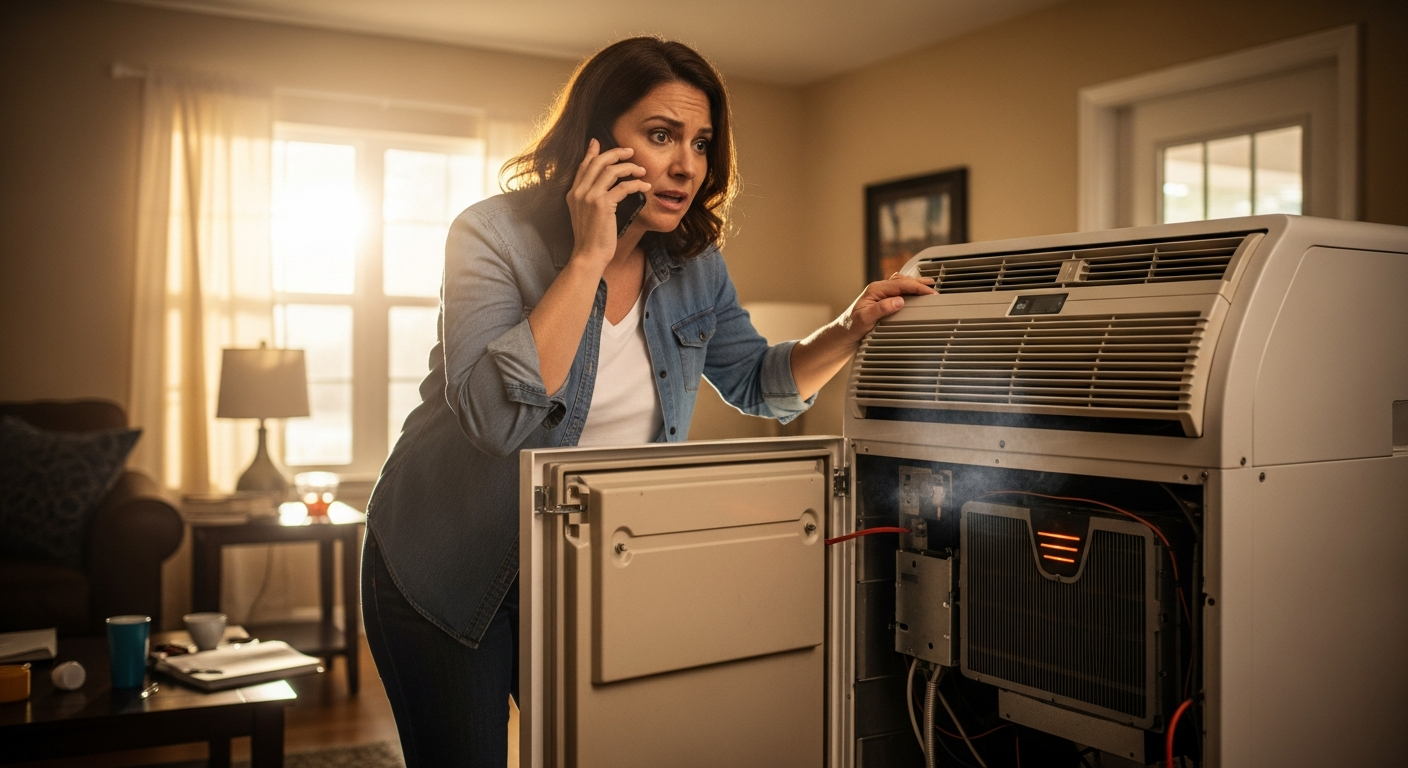
- Coil Degradation: The evaporator and condenser coils, critical for heat exchange, are particularly vulnerable. As they corrode, microscopic pinholes can form, leading to refrigerant leaks. A leaking system loses its cooling capacity, forcing the compressor to work harder, increasing energy bills, and eventually causing compressor failure.
- Fin Deterioration: The delicate aluminum fins surrounding the coils are designed to maximize surface area for heat transfer. Salt corrosion makes them brittle, causing them to break down and restrict airflow. This reduces efficiency and puts strain on the entire system.
- Electrical Component Failure: Salt can also infiltrate electrical connections and circuit boards, leading to short circuits, intermittent operation, and complete system shutdowns.
- Structural Weakness: The metal casing and internal supports of the outdoor unit can rust and weaken, compromising the structural integrity of the entire system.
The closer you are to the ocean, the more pronounced the effect. Coastal properties experience a higher concentration of airborne salt, meaning their AC units are under constant assault. This is why a unit that might last 15-20 years inland could struggle to make it 7-10 years on the coast without proper protection and maintenance.
Signs Your AC is Suffering from Salt Air Damage
Being able to identify the early warning signs of salt air corrosion can save you significant repair costs and extend your AC's life. Look out for:
- Visible Rust and Discoloration: Obvious signs of rust on the outdoor unit's casing, fins, or screws are a clear indicator. You might also notice a white, powdery residue, which is often salt buildup.
- Reduced Cooling Performance: If your home isn't getting as cool as it used to, or if the system runs constantly without reaching the set temperature, it could be due to corroded coils or restricted airflow.
- Increased Energy Bills: A corroding system has to work harder to achieve the desired cooling, leading to a noticeable spike in your electricity consumption.
- Strange Noises: While not always directly linked to corrosion, a struggling system can develop unusual noises as components wear out prematurely.
- Refrigerant Leaks: If your technician frequently adds refrigerant during maintenance, it's a strong sign of leaks, often caused by corroded coils.
Understanding these challenges is crucial for Florida homeowners. It's not about avoiding the coast, but about choosing the right equipment and implementing proactive strategies to combat the inevitable. Rejoice Air Conditioning & Heating is here to help you navigate these unique Florida challenges, ensuring your home stays cool and comfortable despite the salt air.
Top 5 AC Brands Built to Last in Coastal Climates: Your Guide to Durable Cooling
When battling the relentless salt air in Florida, choosing the right AC brand isn't just a preference; it's a strategic decision. Not all air conditioning systems are created equal, especially when it comes to resisting corrosion and standing up to harsh coastal environments. Investing in a brand known for its durability, innovative protective features, and robust construction can mean the difference between years of reliable cooling and a cycle of endless repairs. At Rejoice Air Conditioning & Heating, we've seen firsthand which systems truly excel in our unique climate. Here are our top 5 recommended AC brands that are built to last in coastal Florida:
1. Trane: "It's Hard to Stop a Trane"
Trane has earned its reputation for reliability and longevity, a claim that holds particularly true in coastal areas. Their units are built with heavy-gauge galvanized steel cabinets, often powder-coated for an extra layer of protection against rust and corrosion. Many Trane models feature their proprietary Spine Fin™ coil, which is designed with fewer brazed joints than traditional coils, significantly reducing potential leak points that salt air could exploit. This focus on robust construction and minimizing vulnerable areas makes Trane a top contender for Florida homes.
2. Carrier: The Inventors of Modern Air Conditioning
As pioneers in the AC industry, Carrier continues to innovate with features designed for harsh environments. Many of their coastal-specific models incorporate WeatherArmor™ Ultra protection, which includes a galvanized steel cabinet, baked-on powder paint, and a louvered coil guard. Furthermore, Carrier often utilizes tin-plated copper evaporator coils in their high-efficiency units, offering superior corrosion resistance compared to standard copper or aluminum. Their commitment to advanced materials and protective coatings makes Carrier a smart choice for combating the salt air blues.
3. Rheem: Innovation for Durability
Rheem systems are increasingly popular in Florida due to their balance of efficiency and durability. For coastal applications, Rheem offers units with advanced corrosion protection features. This often includes a powder-coated cabinet and a robust base pan. Many of their modern units also utilize specific coil coatings, like their "DuraShield™" protective finish, designed to resist the corrosive effects of salt and other environmental factors. Rheem's focus on engineering components for longevity in challenging conditions makes them a reliable option for homeowners seeking a lasting solution.
4. Lennox: Precision and Protection
Lennox is known for its high-efficiency and quiet operation, but they also prioritize durability. Their XC and XP series units often feature a PermaGuard™ cabinet, which is a heavy-gauge galvanized steel construction with a baked-on finish to resist rust and corrosion. More importantly, Lennox offers specialized coil coatings, such as their "Lennox Quantum™ Coil," which is an all-aluminum coil designed to be more resistant to corrosion than traditional copper coils. This dedication to material science and protective design makes Lennox a strong performer in salt-laden environments.
5. Goodman: Value and Resilience
Goodman offers excellent value without compromising on features crucial for coastal durability. Many Goodman units come standard with a galvanized steel cabinet and a powder-paint finish for enhanced corrosion resistance. They also frequently incorporate an all-aluminum evaporator coil, which is inherently more resistant to formicary corrosion (a common issue in humid environments) than copper. While often more budget-friendly, Goodman doesn't skimp on the essential protections needed to stand up to Florida's unique climate challenges, making them a practical and resilient choice. You can learn more about specific brands and what makes them suitable for your home by visiting our dedicated brands page.
Choosing the right brand is a significant step, but it's just one part of the equation. Proper installation, regular maintenance, and understanding specific features like coil coatings and cabinet materials are equally vital. Rejoice Air Conditioning & Heating specializes in helping Florida homeowners select and install AC systems that are truly built to beat the salt air blues, ensuring your comfort for years to come.
From Constant Repairs to a Reliable System: Proactive Steps for AC Lifespan in Florida
The cycle of constant AC repairs can be incredibly frustrating and costly, especially when your system is battling the relentless effects of salt air corrosion. But it doesn't have to be your reality. Transitioning from a system plagued by breakdowns to one that offers consistent, reliable cooling requires a proactive approach. It involves smart choices in equipment, diligent maintenance, and expert installation. At Rejoice Air Conditioning & Heating, we believe in empowering Florida homeowners to take control of their indoor comfort and maximize their AC's lifespan.
Beyond the Brand: Essential Strategies for Longevity
While selecting a corrosion-resistant AC brand is paramount, several other factors play a crucial role in extending your system's life in a coastal environment:
- Professional Installation: Even the most durable unit can fail prematurely if not installed correctly. Proper sizing, refrigerant charge, ductwork sealing, and electrical connections are vital. Rejoice AC's certified technicians ensure every installation meets the highest standards, setting your system up for success from day one.
- Regular, Coastal-Specific Maintenance:
This is arguably the most critical factor. Standard AC maintenance isn't always enough for coastal homes. Your maintenance plan should include:
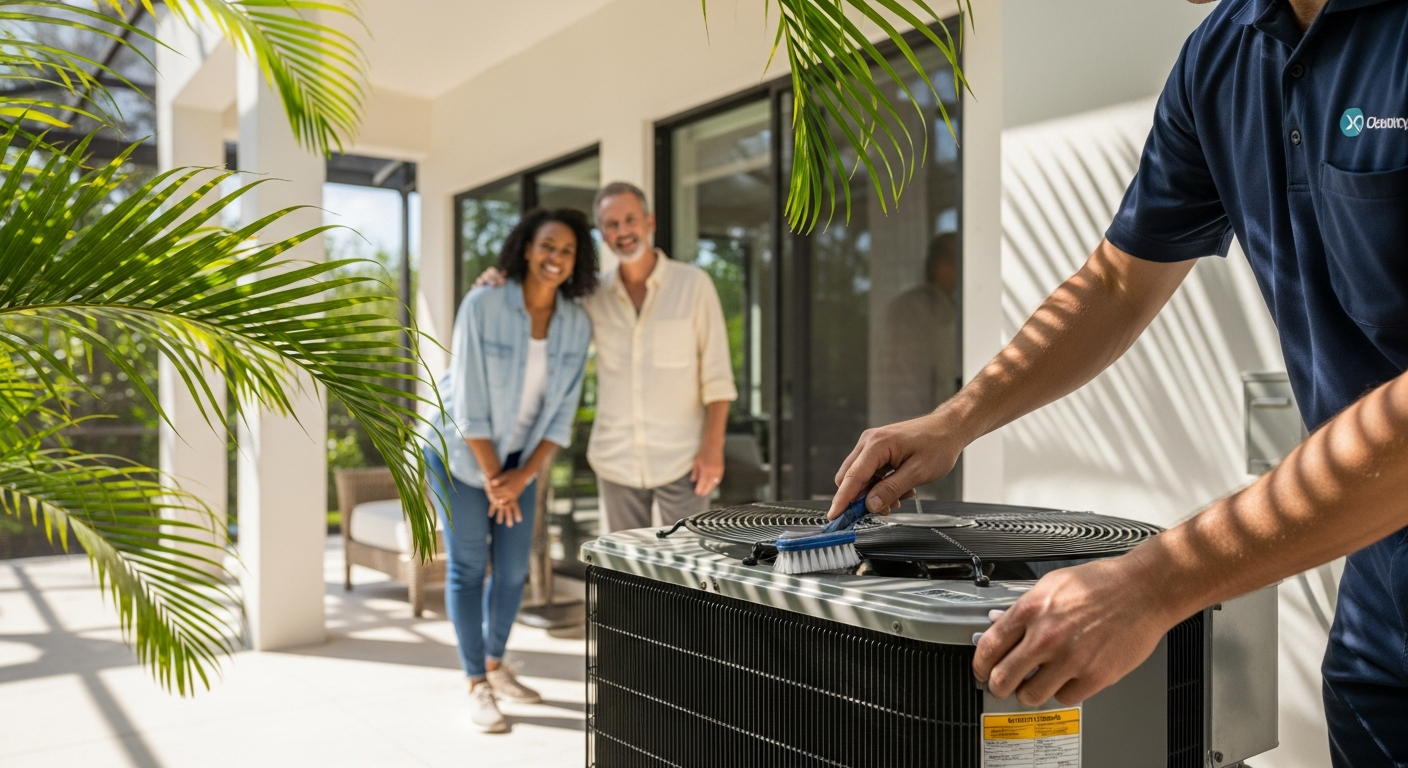
- Frequent Coil Cleaning: Salt buildup on coils restricts airflow and accelerates corrosion. Professional cleaning removes these deposits.
- Protective Coatings: Applying specialized anti-corrosion coatings to vulnerable metal components can create an additional barrier against salt.
- Electrical Connection Checks: Salt can corrode electrical terminals, leading to power issues. Technicians should inspect and clean these regularly.
- Drain Line Maintenance: High humidity and salt can contribute to algae growth and blockages, leading to water damage and system shutdowns.
- Consider a Stand for Your Outdoor Unit: Elevating your outdoor unit slightly off the ground can reduce its exposure to ground-level moisture and splashing, which can carry salt.
- Smart Thermostat Integration: While not directly preventing corrosion, a smart thermostat can optimize your system's operation, reducing unnecessary wear and tear and improving overall efficiency.
- Indoor Air Quality Management: While the focus here is on the outdoor unit, maintaining good indoor air quality (IAQ) is also important for the overall health of your HVAC system and your home. Regularly changing filters and considering air purifiers can reduce strain on your system and create a healthier living environment. You can find more information on improving IAQ from the EPA.
When to Consider a Replacement vs. Repair
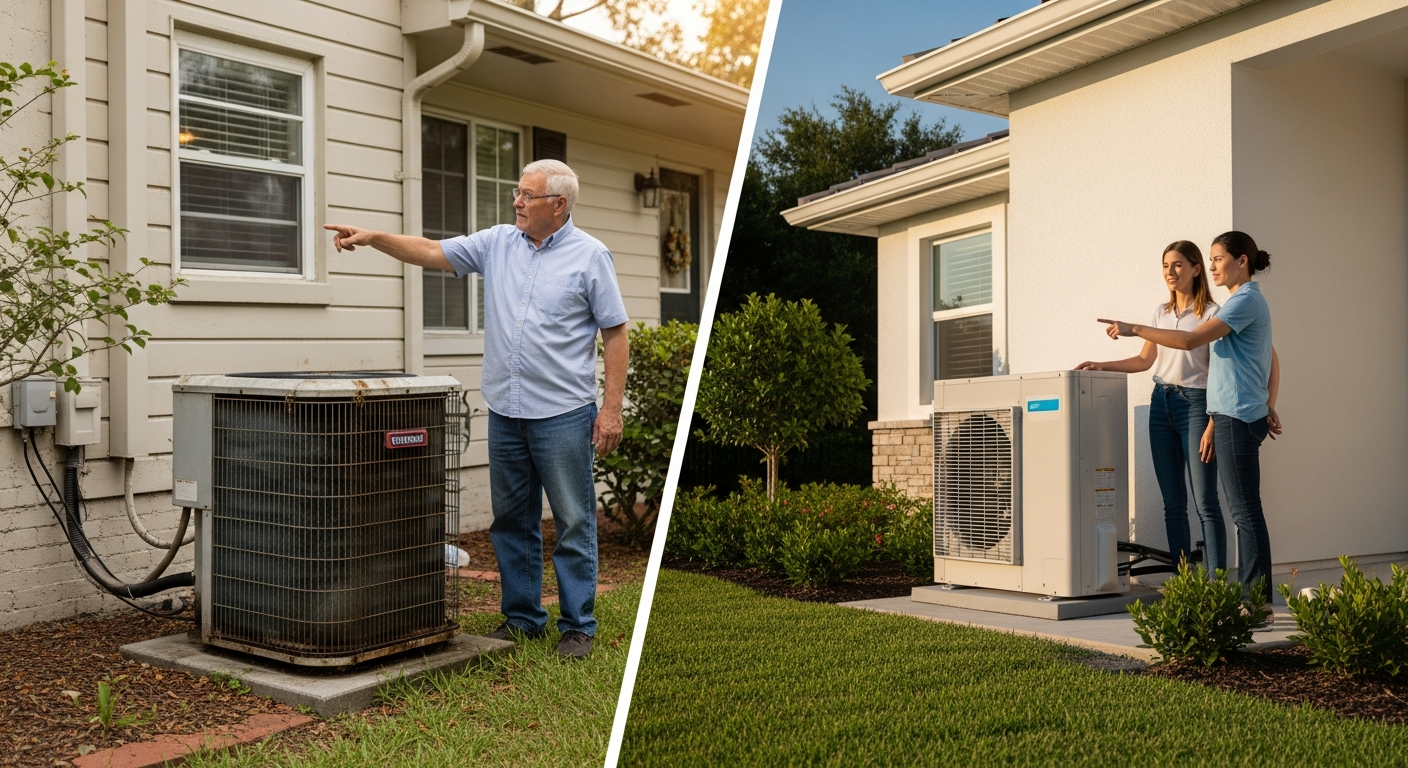
For systems constantly battling salt air, the line between repair and replacement can blur quickly. If your AC is older than 7-10 years and experiencing frequent breakdowns, significant refrigerant leaks, or major component failures (like the compressor or severely corroded coils), a replacement often makes more financial sense. The cost of repeated repairs, coupled with diminished efficiency, can quickly outweigh the investment in a new, more durable, and energy-efficient system. Upgrading to a modern, corrosion-resistant unit designed for Florida's coastal climate will provide greater peace of mind, lower energy bills, and consistent comfort for many years.
Rejoice Air Conditioning & Heating has been serving Florida homeowners for years, understanding the unique challenges our climate presents. We're not just about fixing problems; we're about providing lasting solutions that ensure your home remains a cool, comfortable sanctuary. Whether you're a homeowner or managing a commercial property, our expertise extends to all aspects of HVAC, ensuring everyone can beat the salt air blues. Learn more about our commitment to excellence and customer satisfaction on our about page.
Schedule a Free Consultation to Assess Your AC's Lifespan
Don't let salt air corrosion dictate the life of your air conditioner or your comfort. If you're tired of frequent breakdowns, rising energy bills, and the constant worry of your AC failing, it's time to take action. Rejoice Air Conditioning & Heating is your trusted partner in navigating Florida's unique climate challenges. Our experts are ready to provide a comprehensive assessment of your current system, offer tailored solutions, and help you choose an AC that's truly built to beat the salt air blues.
Contact us today to schedule your free consultation! Let's ensure your home stays cool and comfortable for years to come.
Stay Cool All Year Round!
Don't let the heat get you down. Trust Rejoice Air Conditioning & Heating for expert AC troubleshooting and repair. We are here to help!
Call (727) 351-2523